



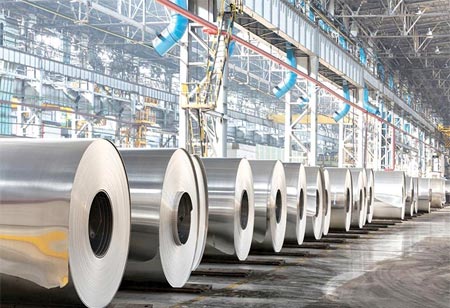
Auditing in the steel industry has traditionally focused on financial transparency, regulatory compliance, and operational efficiency. However, with advancements in technology and evolving regulatory frameworks, the landscape of auditing is undergoing significant transformation. Future trends in auditing are poised to revolutionize how steel companies manage risk, ensure quality, and drive continuous improvement.
Emerging Trends in Auditing
- Integration of AI and Machine Learning
- Description: AI and ML algorithms enable auditors to analyze vast amounts of data with greater accuracy and speed, identifying patterns and anomalies that might go unnoticed with traditional methods.
- Example: Predictive analytics can forecast maintenance needs in steel plants based on audit data, optimizing operational uptime and reducing costs.
Table 1: Example of AI and Machine Learning Integration in Auditing
- Blockchain for Transparency
- Description: Blockchain technology provides an immutable record of transactions and processes, ensuring transparency across the supply chain.
- Application: In the steel industry, blockchain helps auditors verify the authenticity of data in real-time, enhancing trust and reducing fraud risks.
Table 2: Blockchain Application in Auditing for Transparency
- Remote Auditing
- Description: The adoption of remote auditing techniques, accelerated by the global pandemic, allows auditors to conduct inspections and reviews virtually.
- Advantages: Improves efficiency, reduces travel costs, and minimizes environmental impact.
Table 3: Remote Auditing Advantages and Considerations
Strategic Considerations for Steel Industry Stakeholders
- Investing in Technology: Steel companies should consider investing in advanced audit technologies such as AI, ML, and blockchain to enhance auditing capabilities and maintain a competitive advantage.
- Adapting to Regulatory Changes: As regulatory requirements evolve, steel manufacturers must stay informed and proactive in implementing compliant auditing practices.
- Training and Skill Development: Equipping auditors with skills in data analytics, cybersecurity, and emerging technologies will be crucial for future-proofing auditing processes.


