



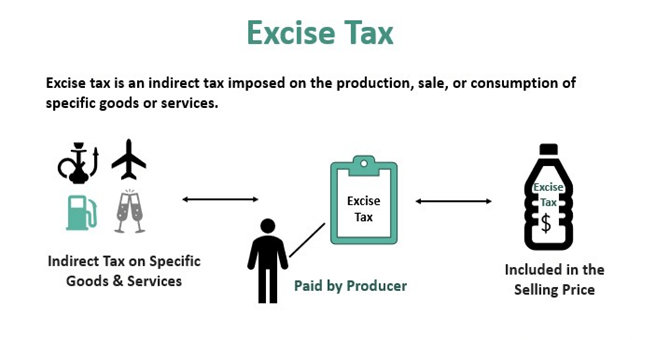
In recent years, excise taxes have emerged as a critical issue affecting the steel industry globally. These taxes, levied on specific goods at the point of manufacture, production, or sale, play a pivotal role in shaping market dynamics and influencing business strategies within the steel sector. This blog explores the nuances of excise taxes within the context of the steel industry, highlighting key considerations that industry stakeholders must navigate to thrive in a challenging regulatory environment.
Understanding Excise Taxes
Excise taxes are indirect taxes imposed on goods produced domestically for consumption or on certain activities, such as manufacturing. For the steel industry, these taxes are typically applied at the production stage, targeting raw materials, intermediate goods, or finished products. The rationale behind excise taxes varies, often serving as a revenue-generating mechanism for governments while also aiming to regulate consumption patterns or promote certain economic objectives.
Impact on Production Costs and Pricing
One of the most significant impacts of excise taxes in the steel industry is on production costs and pricing strategies. By adding to the cost burden at the production stage, these taxes influence overall cost structures for steel manufacturers. Consequently, businesses must strategically adjust pricing strategies to maintain competitiveness while accounting for the additional tax liabilities imposed.
Regulatory Landscape and Compliance Challenges
Navigating the regulatory landscape surrounding excise taxes presents a formidable challenge for steel industry players. Regulatory frameworks can vary widely across jurisdictions, with differing tax rates, exemptions, and compliance requirements. This diversity necessitates a nuanced understanding of local laws and continuous monitoring of regulatory changes to ensure compliance and avoid penalties.
Strategic Considerations for Industry Players
For stakeholders in the steel industry, proactive management of excise tax implications is crucial. Adopting a strategic approach involves:
- Tax Planning and Optimization: Engaging in thorough tax planning to minimize the impact of excise taxes through legal strategies, such as utilizing exemptions or rebates where applicable.
- Supply Chain Management: Evaluating supply chain dynamics to mitigate potential tax liabilities and optimize operational efficiencies.
- Government Relations: Building constructive relationships with regulatory authorities to influence policy discussions and advocate for industry-specific interests.
Case Study: Comparative Analysis of Excise Tax Structures
To illustrate the practical implications of excise taxes, consider a comparative analysis of tax structures in major steel-producing economies such as the United States, China, and India. The table below outlines key differences in excise tax rates and their implications for industry competitiveness:
| Country | Excise Tax Rate (%) | Impact on Industry |
|---|---|---|
| United States | 5 | Moderate |
| China | 10 | Significant |
| India | 12 | High |
Excise taxes represent a critical consideration for stakeholders in the steel industry, influencing production costs, pricing strategies, and regulatory compliance efforts. By adopting a proactive approach to tax planning and regulatory engagement, industry players can navigate these challenges effectively and capitalize on opportunities for sustainable growth.
As the regulatory landscape continues to evolve, staying abreast of legislative developments and leveraging strategic insights will be essential for achieving long-term success in the dynamic steel market.
For further insights into excise taxes and their impact on the steel industry, subscribe to our newsletter or contact our experts for personalized guidance.


