



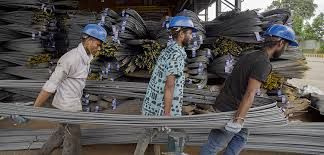
Managing large-scale steel orders requires careful planning, coordination, and execution. This blog offers ten essential tips to help steel industry professionals streamline operations, enhance efficiency, and ensure successful fulfillment of large orders.
1. Establish Clear Communication Channels
Effective communication is key to managing large-scale orders. Create a communication plan that outlines responsibilities, contact points, and preferred methods of communication. Use a table to illustrate communication protocols for different stages of order processing.
| Stage of Order | Communication Protocol |
|---|---|
| Order Placement | Direct contact with sales representative |
| Production Updates | Weekly status emails to client |
2. Utilize Advanced Planning and Forecasting
Anticipate demand fluctuations and plan production schedules accordingly. Implement forecasting tools and techniques to predict market trends and customer needs. Use a graph to show the correlation between accurate forecasting and order fulfillment efficiency.
3. Optimize Inventory Management
Maintain optimal inventory levels to meet order demands without overstocking or understocking. Use inventory control software or spreadsheets to track stock levels and replenishment timelines. Include a table showing inventory turnover rates and reorder points for steel products.
| Product Category | Inventory Turnover Rate | Reorder Point |
|---|---|---|
| Steel Sheets | 4 times annually | 100 units |
4. Streamline Production Processes
Implement lean manufacturing principles to eliminate waste and improve production flow. Use a process flow diagram to visualize the steps involved in manufacturing and fulfilling large steel orders.
5. Invest in Automation and Technology
Utilize automation technologies to streamline repetitive tasks and improve production efficiency. Highlight the benefits of adopting robotics or automated systems in steel processing facilities with a comparative cost-benefit analysis table.
| Automation System | Benefits | Implementation Cost |
|---|---|---|
| Robotic Welding System | Increased welding precision | $X million |
6. Ensure Quality Control and Assurance
Implement rigorous quality control measures throughout the production process. Use statistical process control charts or quality checklists to monitor product quality and compliance with industry standards.
7. Secure Reliable Transportation and Logistics Partners
Partner with reputable logistics providers to ensure timely delivery of steel orders. Compare shipping options and transit times in a logistics matrix table to choose the best shipping method for different types of steel products.
| Shipping Method | Transit Time | Cost Efficiency |
|---|---|---|
| Trucking | 2-3 days | Cost-effective |
| Rail Freight | 5-7 days | Large volume |
8. Foster Supplier Relationships
Cultivate strong relationships with steel suppliers to secure competitive pricing and reliable supply chains. Use a supplier performance scorecard to evaluate and compare supplier performance metrics.
| Supplier Name | On-time Delivery (%) | Quality Rating (1-5) |
|---|---|---|
| Supplier A | 95% | 4 |
9. Implement Robust Project Management Practices
Adopt project management tools and methodologies to track progress, allocate resources efficiently, and mitigate risks associated with large-scale steel orders. Include a Gantt chart to visualize project timelines and milestones.
10. Continuously Evaluate and Improve Processes
Regularly assess performance metrics and gather feedback to identify areas for improvement. Conduct post-project reviews or debriefs to capture lessons learned and implement process enhancements.


