



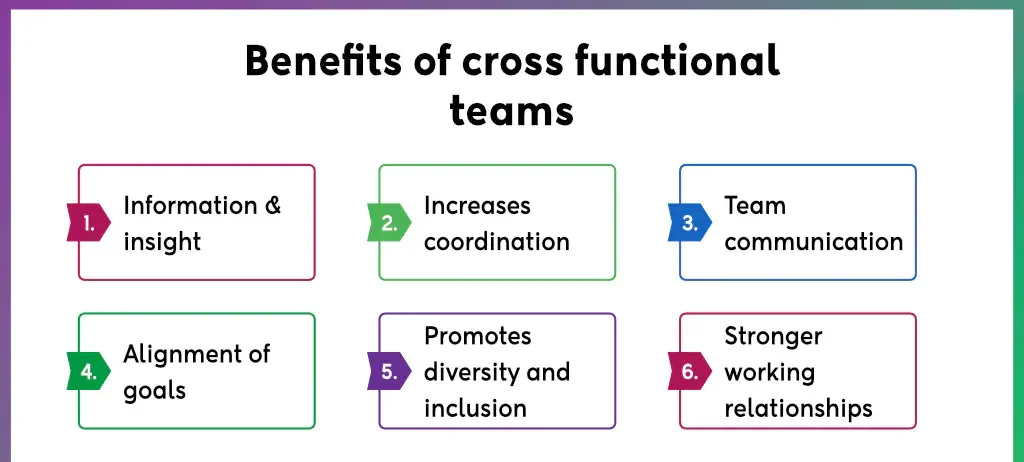
In today’s complex business environment, cross-functional collaboration plays a pivotal role in enhancing tax efficiency. When departments work together seamlessly, businesses can leverage diverse expertise to optimize tax strategies, streamline processes, and ensure compliance. This blog explores five key ways cross-functional collaboration can boost tax efficiency within organizations.
1. Aligning Financial and Operational Goals
Cross-functional teams, comprising finance, operations, and tax departments, can align financial and operational goals to optimize tax planning. By integrating financial data with operational insights, businesses can identify tax-saving opportunities, such as optimizing capital expenditures or restructuring operations to minimize tax liabilities.
2. Leveraging Technological Integration
Collaboration between IT, finance, and tax departments facilitates technological integration. Integrated systems enable real-time data sharing, enhancing accuracy in tax reporting and compliance. Graphs or tables can illustrate data flow and integration points, highlighting efficiency gains and reducing errors in tax filings.
3. Enhancing Compliance through Legal and Regulatory Insights
Legal, regulatory, and tax departments collaborate to interpret and apply complex tax laws. By staying abreast of regulatory changes and aligning compliance efforts, businesses can mitigate risks of penalties and fines. Visual aids can outline regulatory frameworks, compliance timelines, and impact assessments for informed decision-making.
4. Optimizing Cross-Border Transactions
International tax strategies benefit from collaboration between finance, legal, and treasury departments. Teams can navigate transfer pricing rules, double taxation agreements, and foreign tax credits efficiently. Graphs can illustrate tax implications across jurisdictions, helping businesses optimize cash flows and reduce global tax burdens.
5. Streamlining Reporting and Audit Processes
Collaboration among accounting, finance, and audit teams streamlines reporting and audit processes. By maintaining transparent communication and shared documentation, businesses enhance audit readiness and minimize disruptions. Tables can outline audit timelines, key reporting metrics, and compliance checklists, facilitating efficient audits and ensuring accuracy.
—
Conclusion
Cross-functional collaboration is instrumental in optimizing tax efficiency, fostering innovation, and driving sustainable growth. By breaking down silos and fostering a collaborative culture, businesses can harness diverse perspectives to develop proactive tax strategies, mitigate risks, and achieve operational excellence.
Incorporating tables or graphs into this blog could visually represent data integration flows, illustrate compliance timelines, or compare tax strategies’ effectiveness across different collaborative approaches. Each visual aid should complement the content and enhance reader understanding of cross-functional collaboration’s impact on tax efficiency.
This blog is structured to appeal to business leaders, tax professionals, and stakeholders interested in maximizing tax efficiency through integrated teamwork, using a clear, authoritative tone suitable for a professional audience.


