



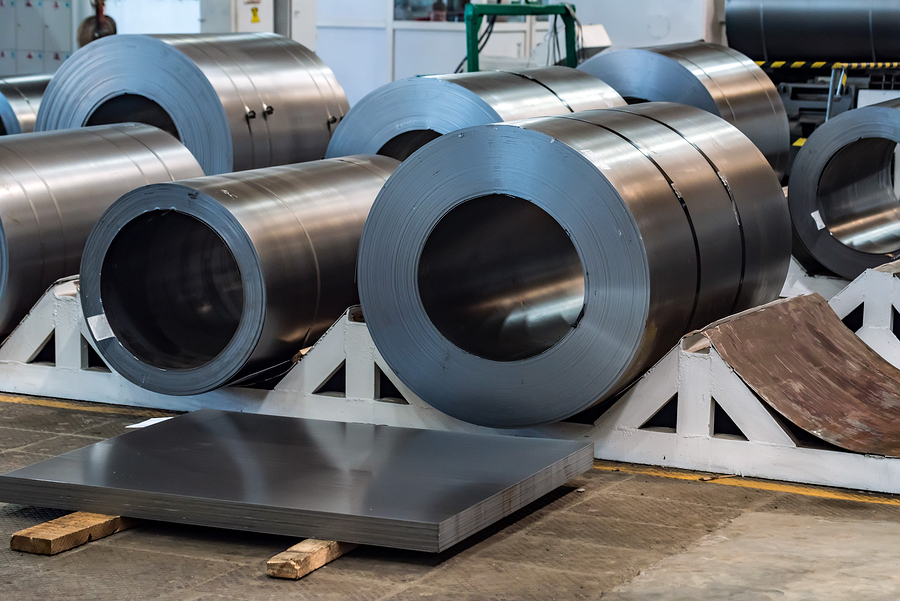
In the fast-paced world of metal service centers, financial sustainability isn’t just a goal—it’s a necessity. To thrive amidst market fluctuations and industry challenges, these businesses require robust financial strategies. Whether you’re looking to optimize cash flow, manage costs effectively, or plan for long-term growth, implementing the right financial practices is key. In this blog, we’ll explore ten essential strategies that can help metal service centers achieve and maintain financial sustainability.
1. Efficient Inventory Management
- Overview: Effective inventory management is crucial in the metal service industry, where stock levels directly impact cash flow and operational efficiency.
- Strategies:
- Implement Just-in-Time (JIT) inventory to reduce carrying costs.
- Utilize ABC analysis to prioritize inventory based on value.
- Conduct regular inventory audits to maintain accurate stock levels and minimize waste.
2. Cost Control Measures
- Overview: Controlling costs involves strategic decision-making to allocate resources efficiently.
- Strategies:
- Analyze overhead costs to identify areas for savings.
- Negotiate supplier contracts for better terms.
- Leverage bulk purchasing discounts to reduce material costs without compromising quality.
3. Diversification of Revenue Streams
- Overview: Relying solely on one revenue source can be risky.
- Strategies:
- Expand product lines to reach new customer segments.
- Enter new markets to diversify income sources.
- Offer value-added services such as custom fabrication or consulting to enhance revenue opportunities.
4. Strategic Pricing Strategies
- Overview: Pricing strategies directly influence profitability.
- Strategies:
- Conduct market research to set competitive prices.
- Analyze competitor pricing models to adjust pricing strategies.
- Implement dynamic pricing based on demand fluctuations and material costs.
5. Investment in Technology
- Overview: Embracing technology is essential for long-term sustainability.
- Strategies:
- Invest in ERP systems to streamline operations and improve efficiency.
- Upgrade to automated machinery to enhance production capabilities.
- Adopt data analytics tools for informed decision-making and cost-saving insights.
6. Financial Forecasting and Planning
- Overview: Proactive financial forecasting enables anticipation of market trends and challenges.
- Strategies:
- Develop robust financial models to predict future performance.
- Regularly review budgets and forecasts to adapt to market changes.
- Identify growth opportunities and potential financial risks.
7. Capital Expenditure Management
- Overview: Strategic management of CapEx ensures investments align with business goals.
- Strategies:
- Conduct thorough ROI analysis before making capital investments.
- Prioritize maintenance and upgrades to sustain equipment and facilities.
- Explore financing options to manage large expenditures effectively.
8. Risk Management Strategies
- Overview: Identifying and mitigating risks safeguards financial stability.
- Strategies:
- Implement insurance coverage for operational and financial risks.
- Hedge against commodity price fluctuations to stabilize costs.
- Establish emergency funds to navigate unforeseen challenges.
9. Talent Development and Retention
- Overview: Investing in workforce development enhances operational efficiency and productivity.
- Strategies:
- Foster a culture of continuous learning and skills development.
- Offer competitive compensation packages to retain top talent.
- Provide career development opportunities to support employee growth.
10. Compliance and Regulatory Adherence
- Overview: Adhering to regulations and standards mitigates legal risks and upholds reputation.
- Strategies:
- Stay updated with regulatory changes and industry standards.
- Conduct regular compliance audits to ensure adherence.
- Maintain transparent reporting practices to build investor confidence and trust


