


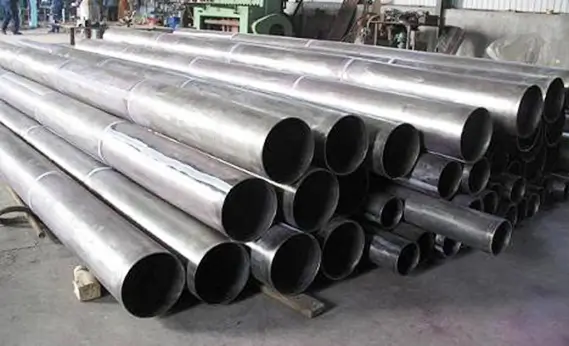
HighPerformance Steel Alloys
A New Era of Strength and Durability
Highperformance steel alloys are revolutionizing the energy sector. These advanced materials are designed to withstand extreme conditions, including high temperatures, corrosive environments, and high pressures. Key developments include:
CorrosionResistant Alloys: Enhanced with elements like chromium and nickel, these alloys are crucial for offshore platforms and pipelines exposed to harsh marine environments.
HeatResistant Steels: Used in power plants, these steels maintain their integrity under high temperatures, improving efficiency and longevity.
Case Study: Offshore oil rigs are now employing advanced highperformance steels to handle the corrosive effects of seawater and extreme pressures, leading to longer service life and reduced maintenance costs.
Sustainable Steel Production
Reducing the Carbon Footprint
Sustainability is a growing priority in steel production. The energy industry is increasingly focusing on ecofriendly practices to reduce the carbon footprint of steel manufacturing. Key trends include:
Electric Arc Furnaces (EAFs): These furnaces use recycled scrap steel and electricity, significantly cutting down greenhouse gas emissions compared to traditional blast furnaces.
HydrogenBased Reduction: Emerging technologies use hydrogen instead of coke in the reduction process, potentially eliminating carbon dioxide emissions from steel production.
Example: Pilot projects in Europe and Asia are testing hydrogenbased steelmaking technologies. These projects aim to demonstrate the feasibility of a zeroemission steel production process.
Smart Steel Technologies
Enhancing Performance Through Digitalization
The integration of smart technologies in steel production is transforming the energy sector. Innovations include:
Smart Sensors: These devices monitor steel conditions in real time, providing valuable data for predictive maintenance and quality control.
Digital Twins: Virtual models of steel structures help in optimizing performance, predicting failures, and improving design processes.
Application: Power plants are increasingly using smart sensors to monitor the condition of steel components, ensuring optimal performance and preemptive maintenance.
Steel in Renewable Energy Systems
Supporting the Green Transition
As the world shifts towards renewable energy, steel plays a critical role in supporting this transition. Notable applications include:
Wind Turbines: Highstrength steel is essential for the construction of wind turbine towers, providing the necessary strength and stability.
Solar Panel Racks: Steel frames support solar panels, ensuring durability and resistance to environmental stresses.
Impact: Recent advancements in steel technology have led to lighter, stronger wind turbine towers, allowing for taller structures that capture more wind energy.
Advanced Coatings and Treatments
Extending Steel Lifespan
Innovations in coatings and treatments are enhancing the durability of steel used in energy applications. Key developments include:
AntiCorrosion Coatings: These coatings protect steel from environmental damage, extending its lifespan and reducing maintenance costs.
Thermal Barrier Coatings: Applied to steel used in hightemperature environments, these coatings improve performance and efficiency.
Example: Power plants are adopting advanced coatings to protect steel components from hightemperature wear and corrosive substances, improving overall plant efficiency.
The steel industry is at the forefront of technological advancement, driven by the evolving needs of the energy sector. From highperformance alloys and sustainable production methods to smart technologies and innovative coatings, these trends are shaping a more efficient, durable, and ecofriendly future. As the energy industry continues to innovate, steel will remain a key enabler of progress.


