


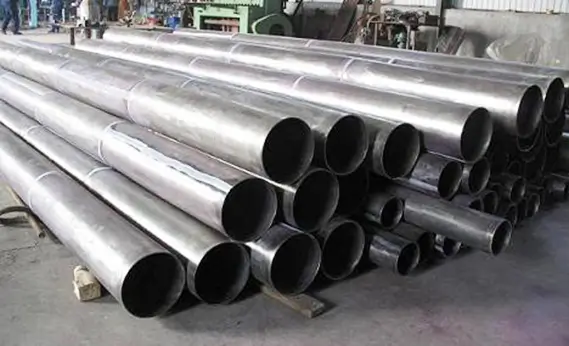
The field of alloy development is experiencing rapid transformation, driven by advancements in technology. From enhanced material properties to innovative manufacturing techniques, cuttingedge technologies are pushing the boundaries of what’s possible in alloy development. This blog explores the latest technological advancements that are shaping the future of alloy development and their impact on various industries.
Key Technologies Revolutionizing Alloy Development
1. Advanced Computational Modeling
How It Works: Computational modeling uses simulations and algorithms to predict the properties and behavior of alloys before physical testing. Techniques like density functional theory (DFT) and molecular dynamics (MD) simulations allow researchers to model complex alloy systems with high precision.
Benefits: This technology accelerates the alloy design process, reduces the need for costly experimental trials, and helps optimize material properties for specific applications.
2. HighThroughput Screening
How It Works: Highthroughput screening (HTS) involves testing a large number of alloy compositions rapidly using automated systems. These systems can evaluate thousands of samples in parallel, identifying promising candidates for further development.
Benefits: HTS speeds up the discovery of new alloys and optimizes compositions for desired properties, enhancing efficiency and reducing timetomarket.
3. Additive Manufacturing (3D Printing)
How It Works: Additive manufacturing uses layerbylayer deposition of materials to create complex alloy structures. Techniques like laser sintering and electron beam melting allow for precise control over alloy composition and microstructure.
Benefits: This technology enables the production of intricate alloy parts with customized properties, reduces material waste, and allows for rapid prototyping and production.
4. Artificial Intelligence and Machine Learning
How It Works: AI and machine learning algorithms analyze vast amounts of data to identify patterns and correlations in alloy properties and performance. These technologies can predict outcomes, optimize processes, and suggest new alloy formulations.
Benefits: AIdriven insights improve the efficiency of alloy development, enhance material performance, and accelerate innovation by uncovering relationships that might be missed by traditional methods.
5. Microstructure Analysis Tools
How It Works: Advanced microscopy and imaging techniques, such as scanning electron microscopy (SEM) and atomic force microscopy (AFM), provide detailed images and data on alloy microstructures. These tools help researchers understand how different phases and defects influence material properties.
Benefits: Enhanced microstructure analysis allows for more precise control over alloy properties, improves the quality of the final product, and helps in troubleshooting manufacturing issues.
RealWorld Applications and Impact
1. Aerospace Industry
Technologies Applied: Advanced computational modeling and additive manufacturing are used to develop highperformance alloys with exceptional strengthtoweight ratios and heat resistance.
Impact: These technologies enable the production of lightweight, durable components that enhance fuel efficiency and performance in aircraft and spacecraft.
2. Automotive Industry
Technologies Applied: Highthroughput screening and AIdriven optimization are used to create alloys with improved mechanical properties and corrosion resistance for automotive parts.
Impact: Innovations lead to betterperforming, longerlasting materials that enhance vehicle safety and efficiency.
3. Energy Sector
Technologies Applied: Microstructure analysis and advanced computational modeling support the development of alloys for hightemperature and highpressure applications in energy production and distribution.
Impact: Enhanced alloys contribute to more efficient and reliable energy systems, reducing operational costs and improving performance.
Cuttingedge technologies are transforming alloy development by enhancing precision, accelerating discovery, and optimizing material properties. From advanced computational modeling to AIdriven insights, these innovations are driving progress and opening new possibilities for various industries. Embracing these technologies not only improves material performance but also fosters continued advancement in alloy science and engineering.


