


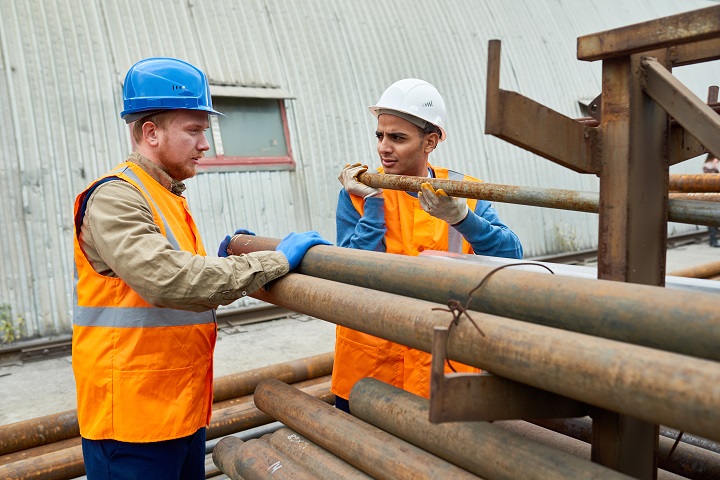
Steel production is a resource-intensive process with significant environmental impacts. However, the industry is undergoing a transformation towards more sustainable practices, focusing on reducing carbon footprints, conserving resources, and minimizing waste. Here’s a comprehensive guide on how steel production is evolving with sustainable practices from ore extraction to final product:
Sustainable Mining Practices
Eco-Friendly Mining Techniques
Reduced Environmental Impact: Implement mining techniques that minimize land disturbance and reduce environmental impact. Techniques such as in-situ leaching and underground mining can limit surface disruption and preserve natural habitats.
Waste Management: Adopt practices for efficient waste management and recycling. Proper disposal and treatment of mining waste, along with the recycling of tailings, help in reducing environmental hazards.
Water and Energy Conservation
Water Management: Utilize water recycling systems to reduce water consumption and minimize wastewater discharge. Implement technologies for efficient water use and treatment in mining operations.
Energy Efficiency: Improve energy efficiency in mining operations by adopting energy-efficient machinery and practices. Explore renewable energy sources to power mining activities and reduce reliance on fossil fuels.
Example: A major mining company introduced in-situ leaching methods and water recycling systems, significantly reducing the environmental footprint of their operations and improving resource efficiency.
Sustainable Steel Production
Energy-Efficient Steelmaking
Electric Arc Furnaces (EAF): Transition to Electric Arc Furnaces for steel production, which are more energy-efficient compared to traditional Blast Furnaces. EAFs use electricity to melt scrap steel, reducing reliance on coke and decreasing CO2 emissions.
Waste Heat Recovery: Implement waste heat recovery systems to capture and reuse heat generated during the steelmaking process. This reduces energy consumption and enhances overall efficiency.
Use of Recycled Materials
Scrap Steel Recycling: Increase the use of recycled steel scrap in the production process. Using recycled materials reduces the need for virgin ore, conserves natural resources, and lowers emissions.
Circular Economy: Adopt circular economy principles by promoting the reuse and recycling of steel products. Encourage the design of products for easier disassembly and recycling at the end of their lifecycle.
Example: A steel mill adopted Electric Arc Furnaces and integrated a comprehensive scrap recycling program, leading to a 30% reduction in CO2 emissions and a significant decrease in energy consumption.
Reducing Carbon Footprint
Carbon Capture and Storage (CCS)
CCS Technology: Implement Carbon Capture and Storage (CCS) technology to capture CO2 emissions from steel production and store them underground. CCS helps in reducing the carbon footprint and mitigating climate change.
Research and Development: Invest in research and development of new technologies for carbon reduction, such as hydrogen-based steelmaking, which uses hydrogen instead of coke to reduce CO2 emissions.
Renewable Energy Integration
Renewable Energy Sources: Integrate renewable energy sources such as solar, wind, and hydro power into steel production facilities. This reduces dependence on fossil fuels and lowers overall greenhouse gas emissions.
Energy Efficiency Programs: Develop and implement energy efficiency programs to optimize energy use across production processes, further reducing carbon emissions.
Example: An innovative steel producer implemented CCS technology and invested in renewable energy sources, achieving a significant reduction in its carbon footprint and enhancing sustainability credentials.
Sustainable Product Design and Innovation
Eco-Friendly Steel Products
Green Steel Certification: Develop and promote eco-friendly steel products that meet green certification standards. These products are produced with lower environmental impacts and are often used in sustainable construction projects.
Product Life Cycle Assessment (LCA): Conduct life cycle assessments to evaluate the environmental impact of steel products throughout their lifecycle. Use LCA results to improve product design and reduce environmental impact.
Collaboration and Industry Initiatives
Industry Collaboration: Collaborate with industry stakeholders, including suppliers, customers, and regulatory bodies, to advance sustainability initiatives and share best practices.
Sustainability Standards: Support and adopt industry sustainability standards and certifications to ensure adherence to environmental best practices and promote transparency.
Example: A steel manufacturer developed a range of green-certified steel products and conducted comprehensive life cycle assessments to minimize environmental impacts, aligning with global sustainability goals.
Transforming steel production with sustainable practices involves a comprehensive approach that encompasses every stage of the supply chain—from ore extraction to final product delivery. By adopting eco-friendly mining techniques, energy-efficient production methods, carbon reduction technologies, and sustainable product designs, the steel industry can significantly reduce its environmental impact and contribute to a more sustainable future. Embracing these practices not only enhances environmental stewardship but also creates opportunities for innovation and competitive advantage in a rapidly evolving market.


