


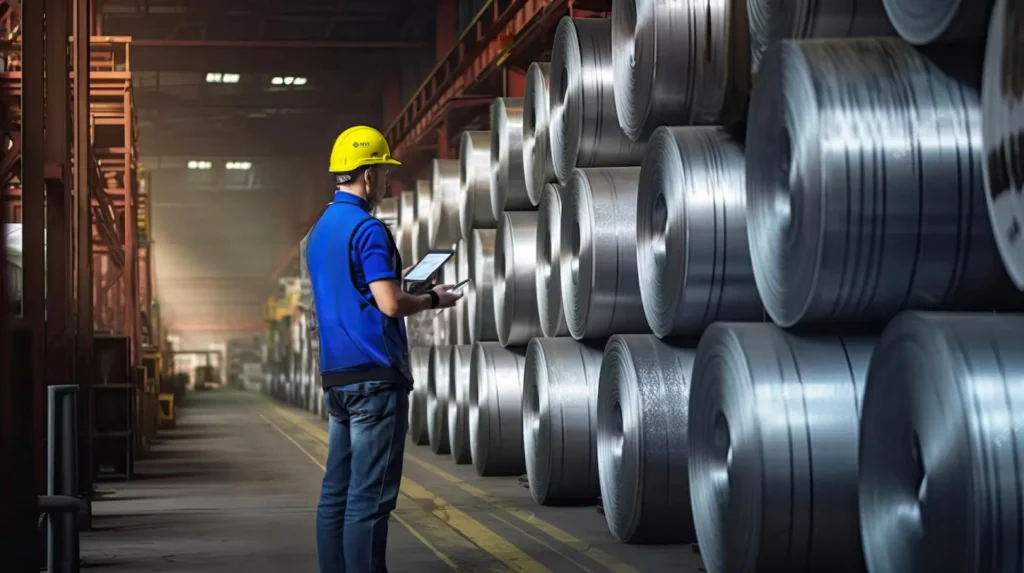
Understanding MultiTier Supply Chains
A multitier supply chain involves numerous interconnected layers of suppliers and subcontractors. Each tier contributes to the production and delivery of goods or services, adding both complexity and opportunity for efficiency gains. However, managing these chains requires careful planning and strategic oversight to mitigate risks and optimize performance.
Key Challenges Faced
1. Visibility and Transparency: Limited visibility across multiple tiers can lead to delays, quality issues, and increased costs. Establishing transparency is crucial for tracking inventory, monitoring supplier performance, and ensuring compliance with regulations.
2. Risk Management: Risks such as disruptions in supply, geopolitical instability, and natural disasters can significantly impact supply chain operations. Implementing robust risk management strategies and contingency plans is essential to maintain continuity.
3. Communication and Collaboration: Effective communication and collaboration among stakeholders across different tiers are vital for alignment on goals, sharing critical information, and resolving issues promptly.
Strategies for Success
1. Enhanced Supplier Relationships: Foster strong relationships with suppliers at all tiers based on trust, transparency, and mutual benefit. Regular communication and supplier development programs can improve reliability and responsiveness.
2. Technology Integration: Invest in supply chain management (SCM) systems that offer realtime data analytics, forecasting capabilities, and digital connectivity across tiers. This enables better decisionmaking and agility in responding to changes.
3. Risk Diversification: Diversify suppliers and manufacturing locations to reduce dependency on single sources. Conduct regular risk assessments and scenario planning to identify vulnerabilities and implement mitigation strategies.
4. Performance Metrics and KPIs: Define key performance indicators (KPIs) tailored to each tier to measure performance, quality, and compliance. Use datadriven insights to continuously optimize processes and identify areas for improvement.
5. Continuous Improvement: Embrace a culture of continuous improvement and innovation across all tiers. Encourage feedback, implement lean principles, and explore automation opportunities to streamline operations and reduce costs.
Case Study: Streamlining a MultiTier Supply Chain
Company XYZ, a leading electronics manufacturer, implemented a multitier supply chain strategy to enhance efficiency and reduce lead times. By leveraging advanced SCM software, they achieved better inventory management, minimized stockouts, and improved supplier collaboration through shared forecasts and production schedules.
Managing a complex multitier supply chain requires proactive planning, effective communication, and leveraging technology to navigate challenges and capitalize on opportunities. By adopting these strategies, businesses can achieve layered success by optimizing performance, reducing costs, and delivering value to customers across global markets.


