


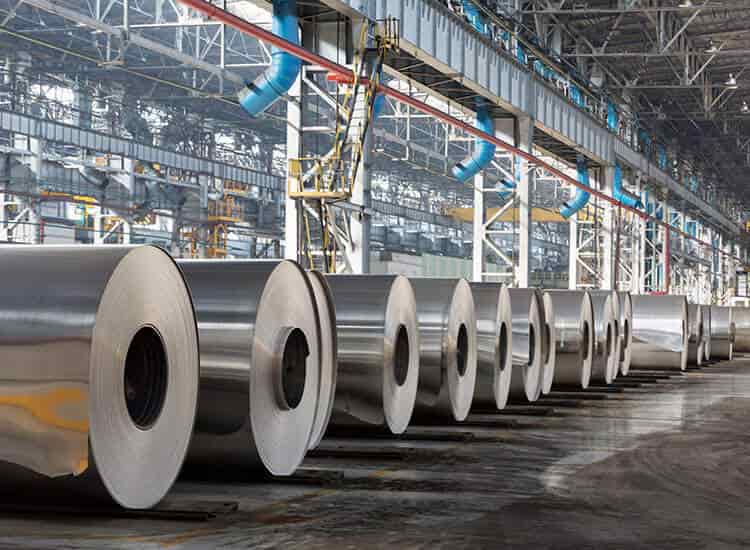
Description:
Understanding EProcurement
EProcurement refers to the use of electronic systems and technology to manage the procurement process. For the steel industry, this means digitizing everything from requisitioning to supplier management and payment processing. By moving away from traditional paper-based methods, companies can reduce errors, save time, and improve overall procurement effectiveness.
Key Benefits of EProcurement in Steel
1. Efficiency: Automation reduces the time spent on manual tasks such as paperwork and data entry, allowing procurement teams to focus on strategic activities.
2. Cost Savings: Streamlined processes lead to lower operational costs through better negotiation with suppliers, reduced inventory holding costs, and minimized procurement cycle times.
3. Transparency: Real-time tracking of orders and spending provides visibility into the entire procurement process, fostering accountability and compliance.
Implementation Challenges
While the benefits are clear, implementing EProcurement in the steel industry comes with its challenges:
Integration: Ensuring seamless integration with existing ERP systems and supplier networks can be complex.
Change Management: Resistance to change among employees accustomed to traditional methods may require thorough training and change management strategies.
Security: Protecting sensitive procurement data from cyber threats and ensuring compliance with data protection regulations is crucial.
Steps to Implement EProcurement Solutions
1. Assessment and Planning: Conduct a thorough assessment of current procurement processes and identify areas where automation can bring the most significant benefits.
2. Vendor Selection: Choose a reputable EProcurement solution provider that understands the unique requirements of the steel industry and offers scalable, customizable software.
3. Integration: Work closely with IT teams to integrate the EProcurement system with existing ERP systems and supplier databases.
4. Training and Adoption: Provide comprehensive training to procurement teams and stakeholders on how to use the new system effectively. Encourage feedback and address concerns during the transition phase.
5. Continuous Improvement: Monitor key performance indicators (KPIs) such as cost savings, cycle times, and supplier performance. Regularly update and optimize the system to maximize benefits.
Case Study: XYZ Steel Inc.
XYZ Steel Inc. successfully implemented EProcurement to streamline their procurement operations. By automating purchase orders, they reduced processing times by 30% and achieved 15% cost savings through better supplier negotiations. Real-time data analytics also enabled proactive decision-making, enhancing overall supply chain efficiency.


