


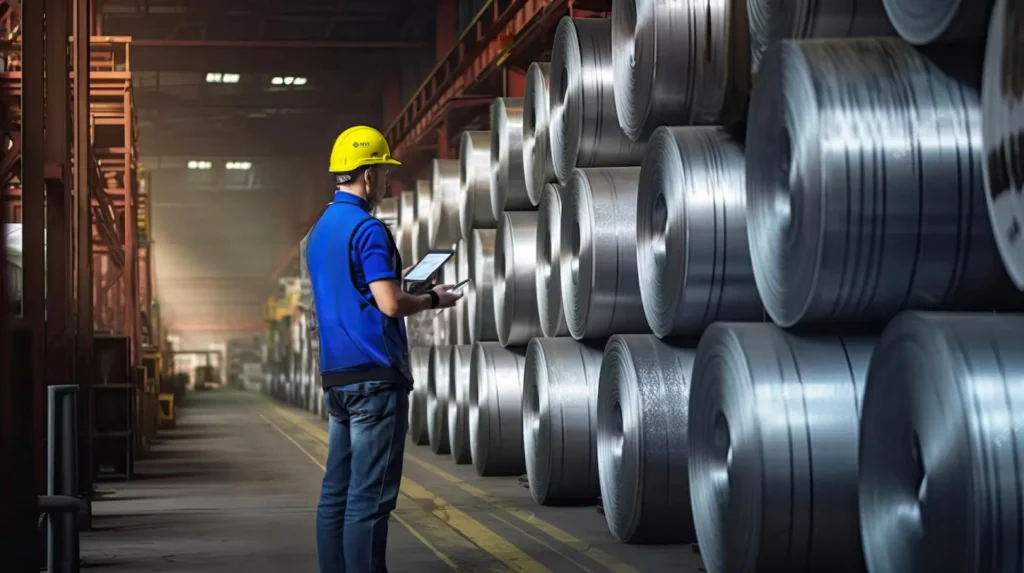
In today’s competitive steel industry, effective lifecycle management is crucial for optimizing product performance and ensuring sustainable profitability. From production to end-of-life, every stage of a steel product’s lifecycle presents opportunities for improvement and efficiency gains. Here, we explore key strategies to enhance lifecycle management in steel product management.
Understanding Lifecycle Management in Steel Industry
Lifecycle management in the steel industry involves overseeing a product from its inception through its production, distribution, use, and disposal phases. It encompasses strategic planning, resource allocation, and decision-making to maximize value and minimize environmental impact across the product’s entire lifespan.
Key Strategies for Effective Steel Product Management
Design for Lifecycle: Begin with designing products that consider their entire lifecycle. This involves selecting materials and manufacturing processes that optimize durability, recyclability, and efficiency.
Supply Chain Integration: Foster collaboration across the supply chain to streamline production processes, reduce lead times, and enhance responsiveness to market demands.
Quality Assurance: Implement rigorous quality control measures to ensure that products meet regulatory standards and customer expectations throughout their lifecycle.
Maintenance and Upkeep: Develop proactive maintenance schedules and protocols to prolong product lifespan and minimize downtime.
Sustainability Initiatives: Incorporate eco-friendly practices such as recycling, energy efficiency, and waste reduction into production and disposal processes.
Data-Driven Decision Making: Utilize data analytics to monitor product performance, predict maintenance needs, and optimize resource allocation.
Case Studies: Successful Implementation of Lifecycle Management
Case Study 1: Company A reduced material waste by 15% through improved lifecycle planning and recycling initiatives.
Case Study 2: Company B improved product reliability by 20% by integrating real-time data analytics into maintenance schedules.
Benefits of Effective Lifecycle Management
Cost Efficiency: Reduced operational costs through optimized resource utilization and extended product lifespan.
Environmental Impact: Minimized carbon footprint and waste generation through sustainable practices.
Customer Satisfaction: Enhanced product reliability and performance leading to higher customer satisfaction and loyalty.
Future Trends in Steel Product Management
Looking ahead, advancements in technology such as IoT (Internet of Things) and AI (Artificial Intelligence) are expected to further revolutionize lifecycle management in the steel industry. These technologies will enable predictive maintenance, real-time performance monitoring, and even autonomous decision-making processes.


