



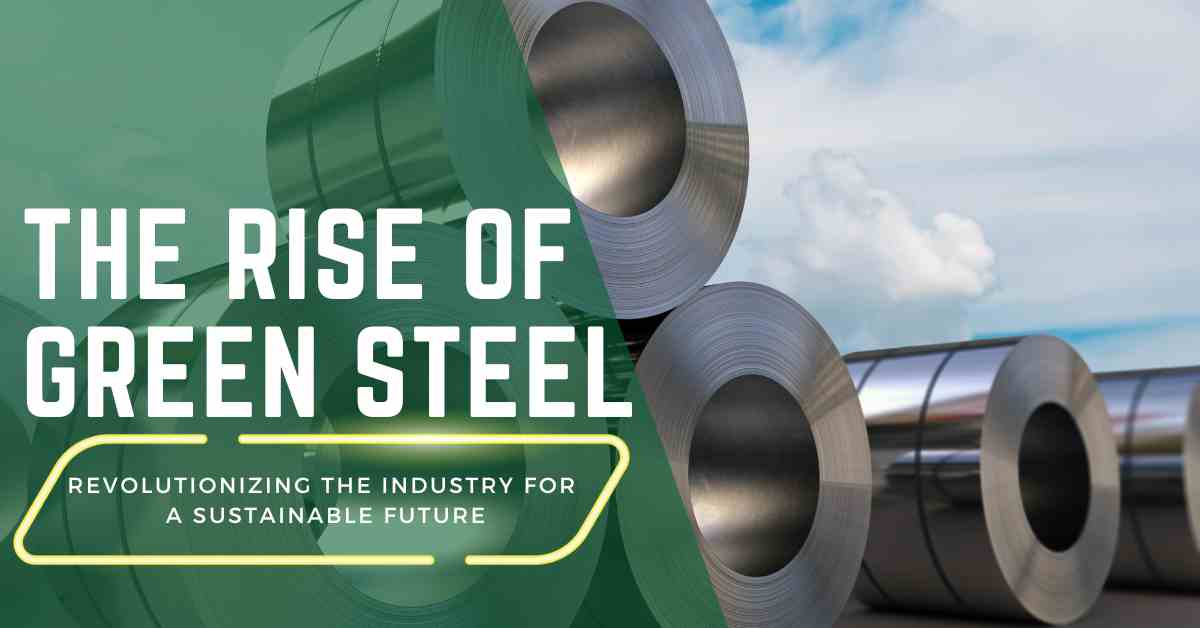
The Transformation of the Steel Industry: Embracing Green Steel
In recent years, the steel industry has been undergoing a significant transformation driven by the imperative of sustainability. The emergence of green steel, also known as sustainable steel, marks a pivotal shift towards more environmentally friendly manufacturing practices. This exploration into the concept of green steel reveals its impact on the industry and the promising future it holds.
Understanding Green Steel
Green steel represents a departure from traditional steelmaking methods, which are notorious for their high carbon emissions and environmental footprint. At its core, green steel aims to reduce or eliminate carbon dioxide (CO2) emissions by leveraging renewable energy sources and innovative technologies.
Key Technologies Driving Green Steel Production
Direct Reduction Iron (DRI) Technology: Utilizes natural gas or hydrogen to reduce iron ore into DRI, significantly lowering CO2 emissions compared to the traditional blast furnace route.
Comparison of CO2 Emissions between DRI and Blast Furnace Methods
| Method | CO2 Emissions per ton of steel produced |
|---|---|
| Blast Furnace | ~2.3 tons |
| Direct Reduction | ~0.6 tons |
Electrolysis-based Steelmaking: Uses renewable electricity to directly reduce iron ore, offering a pathway to achieve zero emissions if powered by green energy sources.
The Environmental Impact
The environmental benefits of green steel are profound. By reducing CO2 emissions and minimizing reliance on fossil fuels, this new approach helps combat climate change. Additionally, it promotes resource efficiency by recycling steel scrap and using renewable energy in production processes.
Market Adoption and Investment Trends
Global Shift Towards Sustainability:
- Regulatory Drivers: Governments worldwide are implementing stricter carbon regulations, incentivizing the adoption of green steel technologies.
- Investment Surge: Major steel producers and tech companies are investing heavily in research and development of green steel technologies.
Investment Trends in Green Steel Technologies
| Investment Type | Key Trends |
|---|---|
| Government Regulations | Stricter carbon regulations |
| Industry Investment | Increased R&D in green steel technologies |
| Renewable Energy Adoption | Integration of renewable energy in steel production |
Challenges and Opportunities
While the potential benefits of green steel are clear, challenges remain. High initial investment costs, technological readiness, and scaling production are hurdles that need to be addressed. However, these challenges also present opportunities for innovation and collaboration across industries.
Green steel represents more than just a technological advancement; it embodies a commitment to sustainability and a blueprint for the future of the steel industry. As demand for environmentally friendly products grows, green steel is poised to play a pivotal role in shaping a more sustainable industrial landscape.
By embracing innovation and sustainability, the steel industry can lead the charge in combating climate change and meeting global sustainability goals. As technologies evolve and investments grow, green steel is set to redefine the industry, ensuring a greener, brighter future.


