


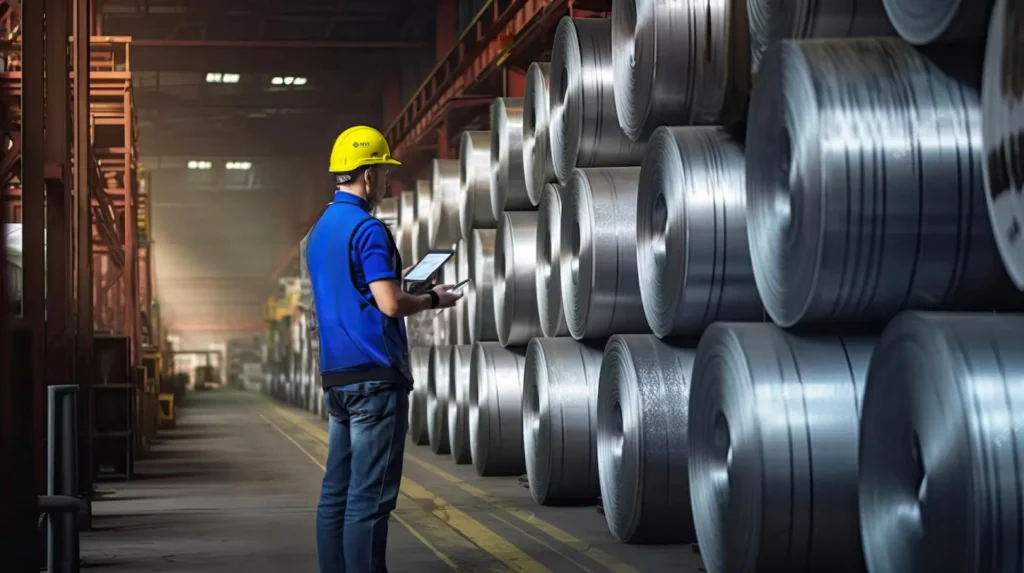
In today’s rapidly evolving steel industry, leveraging big data has become not just a trend but a necessity for staying competitive and efficient. From sourcing raw materials to delivering finished products, every aspect of the steel supply chain can benefit from data-driven decision-making. This blog explores how big data is transforming logistics in the steel industry, enhancing efficiency, reducing costs, and improving overall operational outcomes.
Understanding Big Data in Steel Logistics
Big data refers to the vast amount of structured and unstructured data that can be analyzed to reveal patterns, trends, and associations. In the context of steel logistics, this data comes from various sources:
Supply Chain Management Systems: Data from ERP (Enterprise Resource Planning) systems, SCM (Supply Chain Management) software, and CRM (Customer Relationship Management) systems provide insights into inventory levels, demand forecasts, and customer preferences.
IoT Devices: Internet of Things devices embedded in equipment and vehicles track real-time location data, monitor conditions like temperature and humidity, and provide predictive maintenance insights.
Market Trends and External Factors: Economic indicators, geopolitical events, and market forecasts contribute valuable external data that influences pricing, demand forecasts, and strategic decision-making.
Benefits of Big Data in Steel Logistics
1. Optimized Inventory Management: By analyzing historical data and real-time demand signals, steel companies can optimize inventory levels. This reduces the risk of stockouts while minimizing carrying costs.
2. Enhanced Predictive Maintenance: IoT sensors collect data on machinery performance, allowing for predictive maintenance schedules that prevent costly breakdowns and downtime.
3. Route Optimization: Big data analytics enable dynamic route planning based on traffic patterns, weather conditions, and delivery schedules. This ensures timely deliveries and reduces transportation costs.
4. Demand Forecasting: Accurate demand forecasting using big data analytics helps steel manufacturers and distributors align production and inventory levels with market demand, avoiding overstock or understock situations.
5. Risk Management: Analyzing external data such as geopolitical risks or market fluctuations helps in proactive risk management and strategic decision-making.
Case Study: Implementation of Big Data Analytics
An example of a steel company leveraging big data is XYZ Steel Corporation. By integrating IoT sensors across their supply chain, XYZ Steel monitors the condition of raw materials during transit, optimizes warehouse operations through real-time inventory tracking, and uses predictive analytics to anticipate maintenance needs. This has resulted in a 20% reduction in logistics costs and a 15% improvement in on-time deliveries.
Future Trends and Considerations
Looking ahead, the adoption of artificial intelligence (AI) and machine learning algorithms will further enhance the capabilities of big data analytics in steel logistics. Predictive analytics will become more precise, enabling proactive decision-making and continuous improvement in efficiency and sustainability.
Big data is revolutionizing logistics in the steel industry by providing actionable insights that optimize operations, reduce costs, and improve overall efficiency. As steel companies embrace data-driven decision-making, they position themselves to thrive in an increasingly competitive global market.
By harnessing the power of big data, steel industry stakeholders can navigate challenges, capitalize on opportunities, and lead the way towards a more efficient and sustainable future.


