


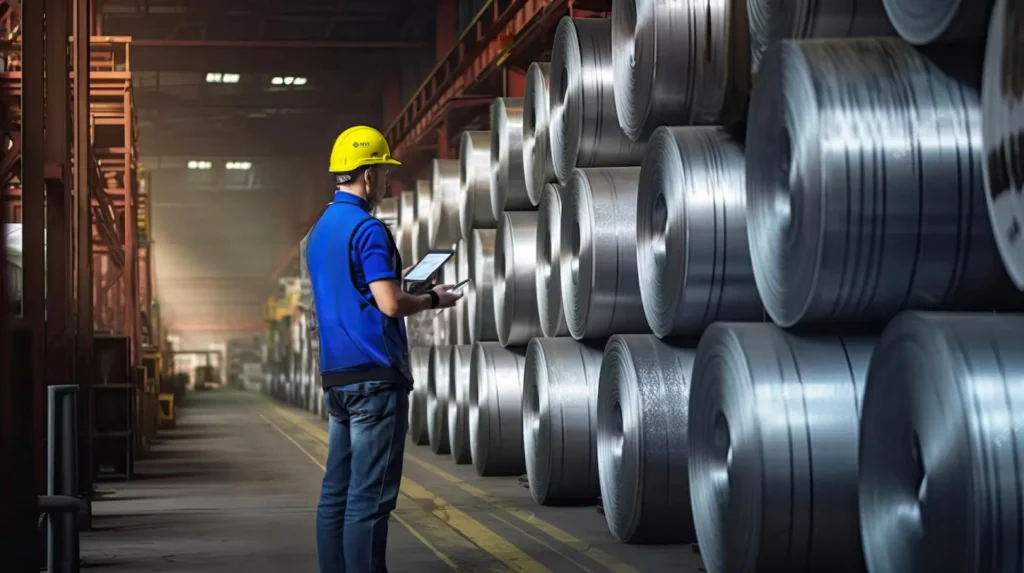
Managing a multitier supply chain in steel procurement involves navigating through various layers of suppliers, subcontractors, and logistics providers. The complexity inherent in such chains demands strategic approaches to ensure efficiency, transparency, and reliability. This blog explores best practices for effectively managing multitier supply chains in steel procurement, aiming to streamline operations and enhance overall performance.
Understanding MultiTier Supply Chains
A multitier supply chain in steel procurement typically includes primary steel producers, secondary processors, distributors, and sometimes subcontractors involved in specific manufacturing processes. Each tier plays a crucial role in delivering raw materials or finished products to the end user, making transparency and coordination essential for smooth operations.
Key Best Practices for Managing MultiTier Supply Chains
1. Supplier Collaboration and Communication: Foster open communication and collaboration among all tiers of suppliers. Establish clear channels for sharing information, production schedules, and quality requirements to ensure alignment and responsiveness across the chain.
2. Comprehensive Risk Management: Identify and mitigate risks at each tier of the supply chain. Conduct regular risk assessments to anticipate potential disruptions such as supplier failures, geopolitical issues, or natural disasters. Develop contingency plans to maintain continuity of supply.
3. Transparent Traceability: Implement robust traceability systems to track the origin and movement of materials through the supply chain. This enhances visibility and accountability, ensuring compliance with regulatory requirements and ethical sourcing standards.
4. Performance Metrics and KPIs: Define performance metrics and key performance indicators (KPIs) tailored to each tier of the supply chain. Measure metrics such as on-time delivery, quality consistency, and cost-effectiveness to monitor supplier performance and identify areas for improvement.
5. Technology Integration: Leverage advanced technologies such as blockchain, IoT (Internet of Things), and AI (Artificial Intelligence) for real-time data collection and analysis. These technologies enhance decision-making, optimize inventory management, and improve overall supply chain visibility and efficiency.
Benefits of Effective MultiTier Supply Chain Management
Operational Efficiency: Streamlining processes and optimizing coordination among suppliers reduces lead times and enhances productivity throughout the supply chain.
Cost Reduction: Efficient management of multitier supply chains minimizes waste, reduces inventory holding costs, and improves overall cost-effectiveness.
Resilience and Flexibility: Proactive risk management and robust contingency plans enable businesses to quickly adapt to disruptions and maintain continuity of operations.
Case Study: Implementing Best Practices
Company Z, a global steel manufacturer, implemented comprehensive supplier collaboration and technology integration strategies across its multitier supply chain. By leveraging real-time data analytics and fostering transparent communication, they achieved a 15% reduction in lead times and a significant improvement in supply chain reliability. This strategic approach not only enhanced operational efficiency but also strengthened their competitive position in the market.


