



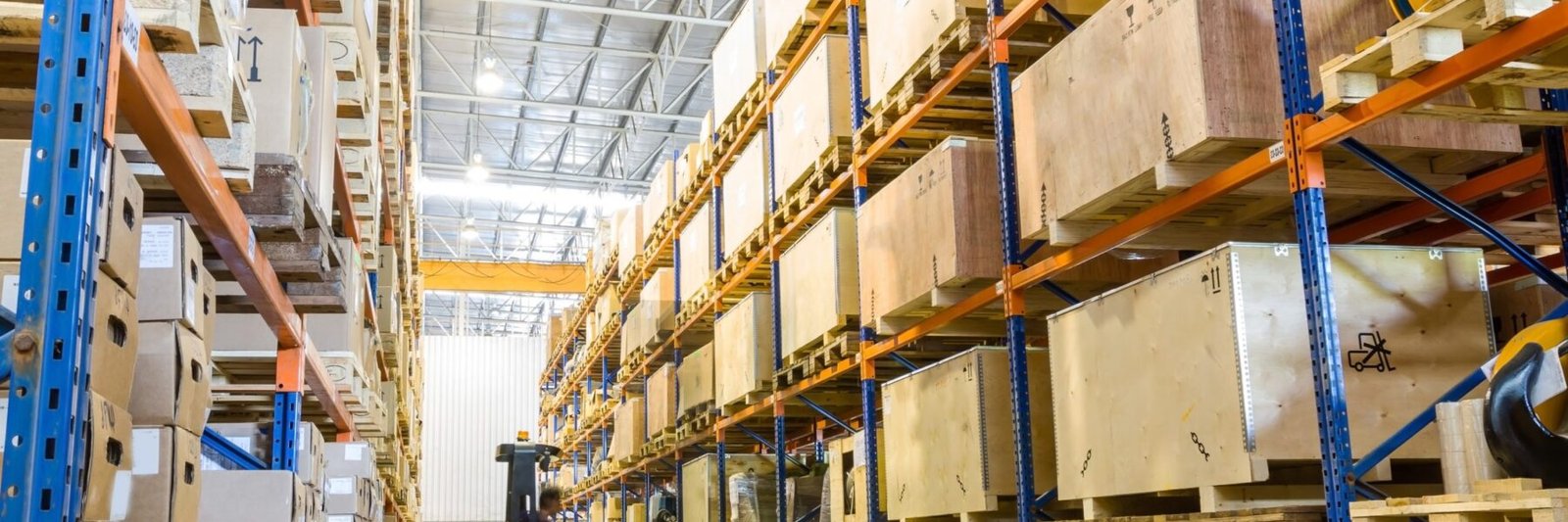
Optimizing inventory turnover is vital for reducing holding costs, improving cash flow, and enhancing overall operational efficiency. Efficient inventory management ensures that resources are used effectively, inventory levels are balanced, and financial performance is maximized.
Understanding Inventory Turnover
1. Definition and Importance
- Definition: Inventory turnover refers to the number of times inventory is sold or used over a specific period. It is a key metric for assessing how well inventory is being managed and utilized.
- Importance: High inventory turnover is beneficial as it minimizes holding costs, reduces the risk of obsolescence, and maximizes working capital. Efficient turnover ensures that inventory is turned into sales quickly, improving overall profitability.
2. Key Metrics
- Inventory Turnover Ratio: Measures how many times inventory is sold and replaced during a period.
- Days Sales of Inventory (DSI): Indicates the average number of days it takes to sell the entire inventory.
- Average Inventory: The mean inventory level over a period.
Strategies for Improving Inventory Turnover
1. Demand Forecasting and Planning
- Accurate Forecasting: Align inventory levels with sales expectations through precise demand forecasting.
- Methods: Utilize historical data analysis, evaluate market trends, and collaborate with sales and marketing teams to anticipate demand more accurately.
2. Optimizing Inventory Levels
- Just-in-Time (JIT) Inventory: Adopt JIT practices to reduce excess stock and minimize storage costs. This approach ensures that inventory arrives only as needed.
- Inventory Optimization Tools: Use real-time tracking and replenishment tools to adjust inventory levels based on demand fluctuations, thereby optimizing stock levels.
3. Supplier Relationship Management
- Strengthen Relationships: Build strong relationships with suppliers to ensure timely and reliable deliveries.
- Negotiation: Negotiate favorable terms such as bulk purchasing discounts, consignment inventory, or vendor-managed inventory (VMI) to maintain optimal stock levels.
4. Inventory Classification and ABC Analysis
- ABC Analysis: Categorize inventory into three groups (A, B, and C) based on value and turnover rate.
- Group A: High-value items with low turnover.
- Group B: Moderate value and turnover.
- Group C: Low-value items with high turnover.
- Resource Allocation: Focus management efforts and resources on high-demand items to enhance turnover efficiency.
5. Promotions and Sales Strategies
- Promotions: Implement promotions, discounts, or bundling strategies to boost the movement of slow-moving inventory.
- Cross-Selling: Use cross-selling tactics to increase sales velocity and reduce stagnant stock levels.
6. Operational Efficiency and Process Improvement
- Warehouse Operations: Streamline warehouse operations to reduce handling and processing times.
- Technology and Automation: Invest in technology and automation to improve inventory visibility, accuracy, and efficiency.
Monitoring and Measurement
1. Performance Metrics
- Track Metrics: Define and monitor key performance metrics related to inventory turnover and efficiency.
- Benchmarks and Goals: Set benchmarks and goals based on industry standards or historical performance data to drive improvements.
2. Continuous Monitoring and Adjustment
- Regular Audits: Conduct regular inventory audits to monitor stock levels and turnover rates.
- Analytics and Dashboards: Utilize analytics and dashboards to track KPIs and make informed decisions regarding inventory management adjustments.
Overcoming Challenges
1. Supply Chain Resilience
- Contingency Plans: Develop contingency plans and diversify sourcing strategies to mitigate supply chain disruptions.
- Alternative Suppliers: Build partnerships with alternative suppliers to ensure continuity of supply in case of disruptions.
2. Technology Adoption
- Barriers: Address barriers to adopting new inventory management systems or technologies.
- Training: Provide training and support to employees to enhance the adoption and utilization of advanced inventory tools.


