



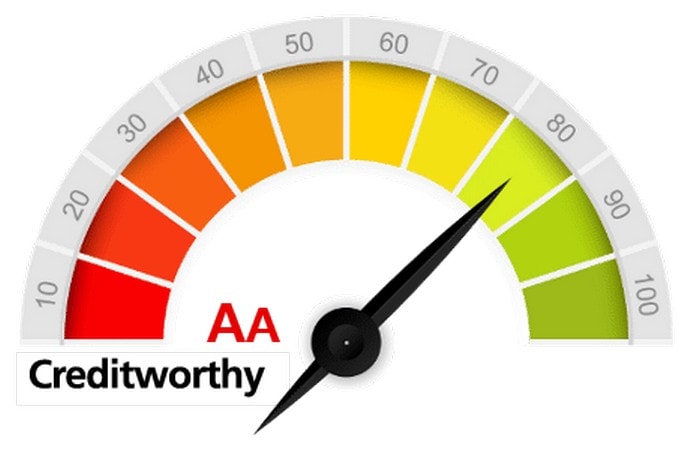
Welcome to our guide on assessing customer creditworthiness effectively. For businesses, evaluating the creditworthiness of customers is crucial to mitigate financial risks and ensure timely payments. In this blog, we’ll explore ten strategies that can help you make informed decisions and maintain healthy cash flow by assessing customer creditworthiness.
Why Assessing Customer Creditworthiness Matters
Assessing customer creditworthiness offers several advantages:
- Risk Management: Minimize the risk of bad debts and financial losses.
- Cash Flow Management: Ensure consistent cash flow by predicting payment behaviors.
- Customer Relationships: Build trust and transparency in business relationships.
10 Strategies for Assessing Customer Creditworthiness
1. Credit Reports and Scores
- Credit Bureaus: Obtain credit reports from reputable agencies like Equifax, Experian, or TransUnion.
- Credit Scores: Evaluate scores to gauge the likelihood of timely payments and financial stability.
2. Payment History
- Payment Records: Analyze payment histories with your company and other creditors.
- Late Payments: Consider frequency and severity of late payments as indicators of credit risk.
3. Financial Statements
- Income Statements and Balance Sheets: Assess financial health and liquidity ratios.
- Profitability and Debt Levels: Evaluate profitability margins and debt-to-equity ratios for solvency.
4. Trade References
- Trade Creditors: Inquire about payment habits and reliability from existing business relationships.
- Industry Reputation: Consider industry reputation and standing in the marketplace.
5. Credit Application Forms
- Information Collection: Gather essential details such as business history, financial data, and references.
- Consistency Checks: Verify information provided against external sources for accuracy.
6. Bank References
- Banking Relationships: Verify account activities and balances to assess liquidity and financial health.
- Credit Facilities: Evaluate existing credit lines and borrowing capabilities.
7. Collateral or Guarantees
- Asset Valuation: Assess the value and liquidity of pledged assets as security for credit.
- Legal Documentation: Establish legal agreements and terms for collateralized transactions.
8. Credit Scoring Models
- Quantitative Analysis: Assign scores based on predefined criteria and risk factors.
- Automation: Implement automated scoring systems for efficiency and consistency.
9. Industry and Market Conditions
- Market Insights: Understand sector-specific risks and market volatility.
- Economic Indicators: Monitor economic forecasts and business cycles for impact on creditworthiness.
10. Continuous Monitoring
- Alert Systems: Set up alerts for changes in credit ratings or financial circumstances.
- Review Policies: Update credit assessment policies regularly based on evolving risks and market dynamics.


