



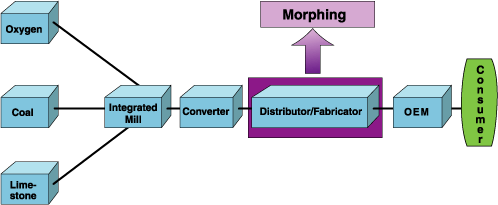
Steel distribution is a critical aspect of the industry, where effective strategies can significantly impact operational efficiency and profitability. This blog delves into several case studies that highlight successful approaches to steel distribution. These strategies have optimized supply chain processes, enhanced customer satisfaction, and improved market competitiveness.
Integration of Digital Platforms for Real-Time Tracking
Company Background:
A leading steel distributor faced challenges in tracking inventory and managing deliveries across multiple locations. They implemented a digital platform that integrated with their ERP system to provide real-time visibility into stock levels and shipment statuses.
Strategy Overview:
By leveraging IoT (Internet of Things) technology, the company installed sensors on shipping containers and trucks. These sensors transmitted data to a centralized platform, allowing operations teams to monitor the location and condition of steel products in transit.
Results:
- Improved Logistics Efficiency: Real-time tracking reduced delays and optimized route planning, leading to faster delivery times.
- Enhanced Customer Service: Customers could track their orders, improving transparency and satisfaction.
- Cost Savings: Reduced operational costs associated with manual tracking and expedited shipments.
| Metric | Before Implementation | After Implementation |
|---|---|---|
| Average Delivery Time (days) | 5 | 3 |
| Customer Satisfaction Rating | 7.5 | 9.2 |
| Operational Cost Reduction (%) | – | 15 |
Implementation of Just-In-Time (JIT) Inventory Management
Company Background:
A medium-sized steel distributor aimed to minimize inventory holding costs while maintaining supply chain reliability. They adopted a JIT inventory management system to streamline their operations.
Strategy Overview:
The distributor collaborated closely with steel manufacturers to synchronize production schedules with customer demand forecasts. This allowed them to maintain minimal inventory levels without compromising delivery commitments.
Results:
- Reduced Inventory Costs: Lowered storage expenses and reduced the risk of obsolete inventory.
- Increased Flexibility: Adapted quickly to fluctuating market demands and customer orders.
- Improved Cash Flow: Capital previously tied up in excess inventory was freed for other investments.
Adoption of Customer-Centric Distribution Models
Company Background:
A global steel distributor recognized the need to personalize their distribution approach to better serve diverse customer requirements across different regions.
Strategy Overview:
They segmented their customer base based on factors such as order volume, geographic location, and service expectations. Each segment received tailored distribution solutions, including flexible delivery schedules and customized packaging options.
Results:
- Enhanced Customer Loyalty: Improved satisfaction through personalized service offerings.
- Market Expansion: Gained competitive advantage by meeting specific regional market demands.
- Operational Efficiency: Optimized resource allocation and logistics planning.
| Customer Segment | Customized Service Offerings |
|---|---|
| Large Enterprises | Dedicated account managers, bulk discounts, and JIT delivery options |
| Small-Medium Firms | Flexible order quantities, quick turnaround times, and packaging choices |
These case studies illustrate how innovative strategies in steel distribution can lead to significant operational improvements and competitive advantages. By integrating technology, optimizing inventory management, and prioritizing customer-centric approaches, steel distributors can navigate challenges effectively while driving sustainable growth. Implementing similar strategies requires careful planning and adaptation to specific organizational needs. As the steel industry continues to evolve, embracing these successful case studies can pave the way for enhanced efficiency and profitability in distribution operations.


