



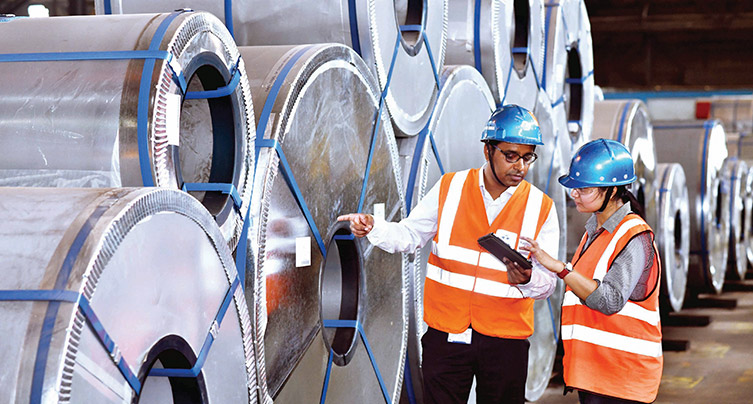
In the ever-evolving landscape of industrial sectors, steel service centers play a pivotal role as key links in the supply chain. These centers not only process and distribute steel products but also serve as hubs for innovation and efficiency in manufacturing. As we look ahead, the future of the workforce in steel service centers is poised for significant transformation. This blog explores the trends, challenges, and opportunities that will shape the workforce dynamics in these critical facilities.
Current Landscape of Steel Service Centers
Before delving into the future, let’s understand the current state of affairs in steel service centers. These facilities typically handle a wide range of tasks, from processing raw steel coils to providing value-added services such as slitting, cutting, and coating. The workforce in these centers is diverse, comprising operators, technicians, engineers, and administrative staff who ensure smooth operations and customer satisfaction.
Trends Shaping the Future Workforce
- Automation and Robotics One of the most significant trends affecting steel service centers is the adoption of automation and robotics. Advances in technology have enabled the automation of repetitive tasks such as material handling, sorting, and quality control. This shift not only enhances operational efficiency but also reduces the physical strain on workers and minimizes human error.
- Skill Requirements As automation increases, the skill requirements for the workforce are evolving. There is a growing demand for workers proficient in operating and maintaining automated systems, as well as those capable of programming and troubleshooting robotics. Additionally, soft skills such as adaptability and problem-solving remain crucial in this technologically advanced environment.
Table 1: Evolving Skill Requirements in Steel Service Centers
Skills Needed Importance Technical Proficiency High Problem-Solving Critical Adaptability Essential - Digitalization and Data Analytics The digital transformation of steel service centers is another pivotal trend. Data analytics tools are being employed to optimize production processes, predict maintenance needs, and enhance inventory management. This shift requires a workforce that is not only comfortable with digital tools but also capable of interpreting and leveraging data insights to drive operational improvements.


